Skip to content
Plan With Katie

A guide for women within 10 years of retirement

Retirement readiness in your 50s.

The seven-part checklist for reaching "work optional": investments, taxes, income, protection, and family legacy in one plan.
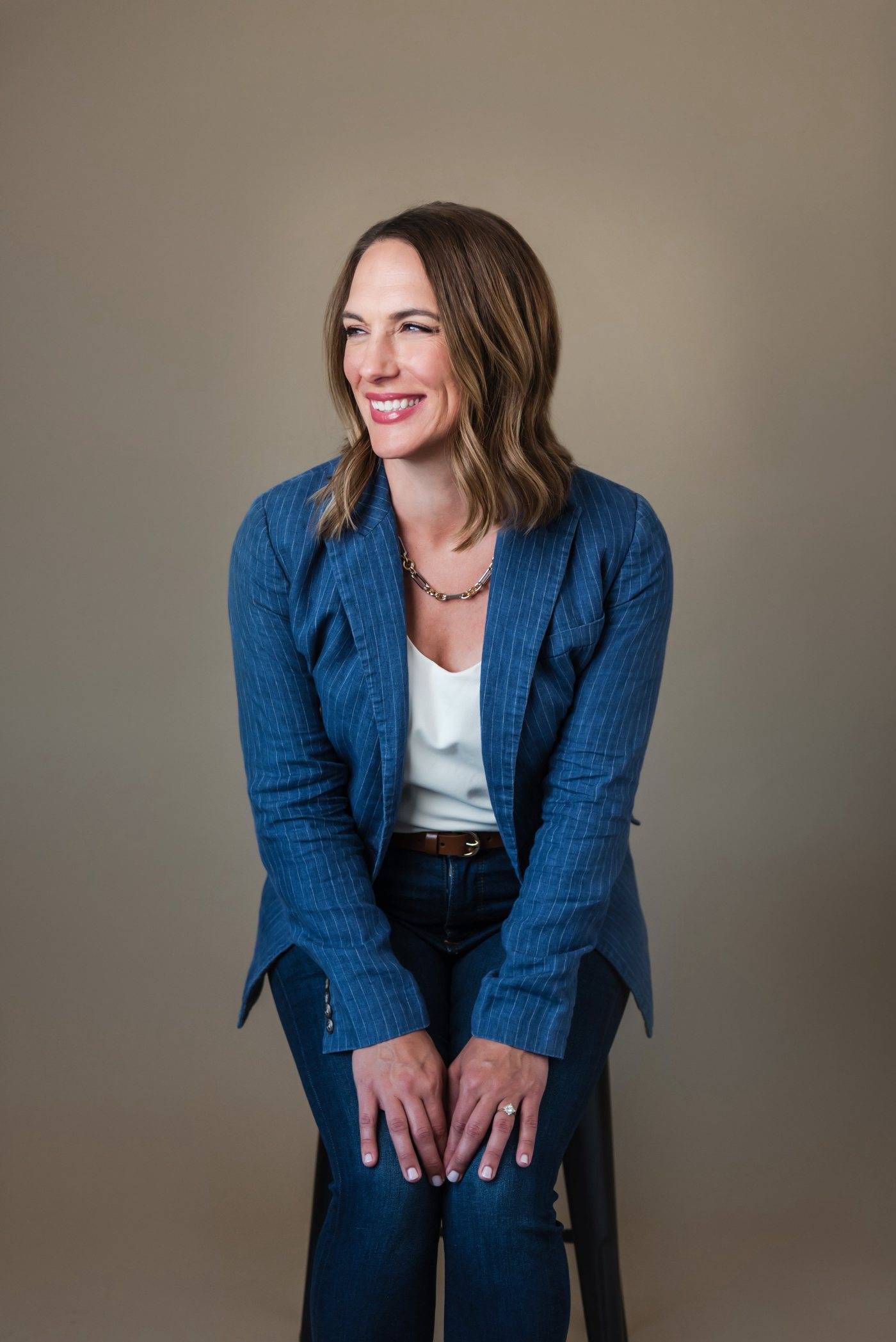
Katie Randall in a chambray blazer and jeans, laughing and looking to the side, seated on a stool

The short answer

Work optional is not the same as retired. It is the point where your assets, income sources, and spending plan may be coordinated enough that working becomes a choice, not a financial necessity. The timeline is different for everyone. This guide gives you seven checkpoints and a worksheet to see where you stand.

Published November 18, 2026. General education, not tax or legal advice.

Opens your print window. Choose "Save as PDF" to keep a copy.

Start here

What "work optional" really means

Some women reach it sooner than expected, while others discover that more preparation is needed.

Your 50s can be a decade of significant planning flexibility. Earnings may be near their peak, catch-up contributions become available, and there may still be time to adjust tax or allocation strategies before those decisions become harder to change. This guide outlines seven areas to consider as you evaluate your own readiness.

The question is never just "do I have enough?" It is "enough for what, starting when, and taxed how?"

The checklist

The seven checkpoints

Know your spending number

Reflect on the last 12 months of spending. Separate essentials from lifestyle and one-off goals. Multiply essentials by 25 for a general estimate of how large your portfolio might need to be by retirement (based on the rule of thumb known as the "4% withdrawal rate"), and make sure to include discretionary spending to be honest about your true lifestyle. It is a rough rule of thumb, not a recommendation, and your own numbers may differ.

Max the catch-up window

At 50 and older you can add catch-up contributions to a 401(k) and an IRA. If your income phases you out of contributing directly to a Roth IRA, consider asking your CPA about a backdoor Roth IRA. If you are working past 60, note the "super catch-up" for ages 60 to 63 on many workplace retirement plans, which allows an even larger contribution in those four years. If cash flow allows, consider funding an HSA fully too. If you are eligible, it offers a triple tax advantage for qualified medical costs and can double as a retirement healthcare reserve. Limits and eligibility change each year and depend on your plan and your income.

Build the tax map, not just the portfolio

Sort every dollar into taxable, tax-deferred, and tax-free buckets. Reflect on the percentage in each bucket. Ask your CPA for a tax projection if you were to convert dollars to Roth. The gap between the year you stop working and the year required minimum distributions (RMDs) begin may be a lower-tax window for Roth conversions, depending on your situation.

Taxable

Brokerage, cash

% of total

Tax-deferred

401(k), IRA

% of total

Tax-free

Roth, HSA

% of total

Fill in the share of your assets sitting in each bucket.

Design the income sequence

Consider the buckets you have to draw from, based on what you learned about your taxable, tax-deferred, and tax-free assets. Add any pension, annuity, or deferred compensation plans and when they will pay. Find the gaps between your preferred retirement age and fixed income streams like Social Security and other payments you expect, and list the ages and years each gap covers.

The gap yearsThe portfolio funds the whole paycheck

Example only. Mark your own ages and the years your gap covers.

Stress-test the risks you cannot diversify

Long-term care, a disability before 65, and losing a spouse's income or benefits. Consider whether you want to cover these risks through self-pay (that is, your savings) or shop around for protection.

Right-size the portfolio for withdrawals

Consider setting aside the first 3 to 5 years of your essential spending in lower-volatility assets. This may reduce the chance that a market decline forces you to sell when prices are low, though it does not remove market risk.

Growth engine, years 6 and later

equities, long-term assets

Spending buffer, years 1 to 5

cash, short bonds, stable value

Example only. When the first years are already funded, a market decline may be less likely to force a sale.

Put the family legacy documents in place

Will, durable power of attorney, healthcare proxy, and current beneficiary designations on every account. Consider adding a trust to your estate plan if you don't have one, for added privacy, control, and ease of settlement, and for potential tax benefits that depend on your state. Beneficiary forms generally override your will, so review them after any marriage, divorce, or death in the family. An estate attorney drafts these documents. I don't.

Seven checkpoints, one plan. Each financial decision is tied to another. A Roth conversion can change your income sequence, and a long-term care decision can change your spending number. That is why I look at them together, not one at a time.

Worksheet

Your readiness snapshot

Complete this exercise before speaking to a planning professional. It takes about twenty minutes with recent statements in hand, and it is a quick way to see which of the seven checkpoints needs attention first.

ItemYour answer
Your age now
Your preferred work-optional year
Annual essential spending
Annual lifestyle spending
One-time goals (home remodel, car, college)
Taxable accounts total ($ and %)
Tax-deferred accounts total ($ and %)
Roth accounts total ($ and %)
Expected Social Security (age and amount)
Pension, deferred compensation, and other guaranteed income
I've estimated the RMD from my IRA (Y/N)
Cash reserve (number of months of essential expenses)
Long-term care protection in place?
Estate documents updated (year)
Beneficiaries reviewed (year)

What to do next

  • Circle the two checkpoints where your answer is blank or uncertain. Those are your first projects.
  • Book a complimentary planning conversation. We will review your snapshot together and map out your most pressing priorities.
Book a complimentary call (Opens in a new tab)

Opens your print window. Choose "Save as PDF" to keep a copy.

Sources and notes

Tax rules and limits change. The IRS pages below were checked on November 18, 2026.

Catch-up limits and the super catch-up for ages 60 to 63 are on the first page. Under current law, RMDs generally begin at age 73 for people born from 1951 through 1958 and at age 75 for people born in 1960 or later. Confirm current rules with the IRS or your CPA before you act.

This guide is general education, not personalized investment, tax, or legal advice. Examples are illustrations only and do not predict results. Investing involves risk, including the possible loss of principal. Tax rules change and apply differently to each person, so talk with your CPA and your attorney before you make decisions.

Ready to talk about your plan?

Bring your snapshot or your questions to a complimentary planning conversation. We'll review where you stand and identify the two or three moves that may be worth making first.